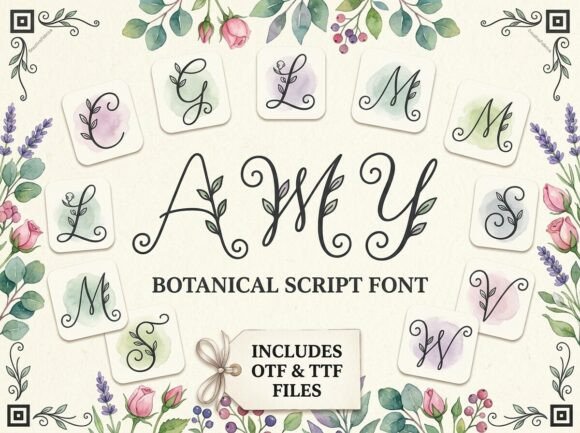
Amy: The Botanical Script Font for Elegant Design
Imagine transforming a simple invitation into a breathtaking keepsake, where every letter whispers of nature's beauty. This is the power of thoughtfully chosen typography, and it's precisely what the Amy botanical script font brings to the creative table. For graphic designers, marketers, and creators seeking to infuse projects with organic elegance, Amy offers a unique blend of sophisticated calligraphy and delicate leaf accents, making it a standout asset in any design workflow.
Understanding Amy's Place in Modern Visual Design
In a digital landscape saturated with generic fonts, Amy provides a solution for creating distinctive and emotionally resonant visual communication. Its value lies in its ability to bridge two powerful design trends: the timeless appeal of hand-lettered script and the growing demand for nature-inspired, organic aesthetics. This makes it more than just a typeface; it's a tool for building a specific mood and enhancing brand identity. When used effectively, typography like Amy can guide the viewer's eye, establish visual hierarchy, and contribute directly to the overall user experience by setting an immediate, elegant tone.
Practical Applications for the Amy Font
The versatility of Amy extends across numerous creative projects. Its delicate swirls and leaf details make it particularly suited for applications where a soft, whimsical, and high-end feel is desired. Consider integrating it into your next design for:
- Branding and Logo Design: Perfect for boutique businesses, wedding planners, florists, eco-friendly brands, or luxury artisan products. Amy can form the logotype or complement a symbol to convey craftsmanship and natural beauty.
- Marketing Materials: Elevate brochures, lookbooks, and promotional flyers. Its legibility at larger sizes makes it ideal for headlines and sub-headings that need to capture attention.
- Social Media Content: Create stunning Instagram stories, Pinterest graphics, and Facebook ads. The font's inherent beauty helps content stand out in crowded feeds, boosting engagement for lifestyle, fashion, or wellness brands.
- Web and UI Design: Use Amy for hero text on websites, landing page headlines, or special call-to-action buttons. It pairs beautifully with clean sans-serif fonts, creating a balanced and modern aesthetic that doesn't sacrifice readability.
- Editorial and Packaging Design: Add a touch of elegance to magazine spreads, book covers, or product packaging. It works wonderfully for wine labels, candle packaging, or cosmetic branding where the unboxing experience is part of the product's story.
Integrating a Specialty Font into Your Design Workflow
Selecting a font like Amy is just the first step. To maximize its impact, thoughtful integration into your broader design system is crucial. Start by pairing it with a complementary typeface. A simple, geometric sans-serif or a classic serif font can provide the necessary contrast for body text, ensuring your overall composition remains clear and accessible.
Always consider your color palette. Amy's organic lines harmonize with earthy tones, muted pastels, and rich jewel tones. A thoughtful color palette can amplify the font's natural elegance. Furthermore, pay attention to visual hierarchy. Use Amy primarily for key phrases, names, or short statements where its intricate details can shine without overwhelming the viewer. For longer blocks of text, prioritize readability by switching to a more neutral font.
Finally, evaluate the context and audience. While Amy excels in projects targeting a design-savvy or luxury-oriented audience, it's essential to ensure it aligns with the project's goals and the brand's core identity. Its whimsical nature might not suit a corporate financial report, but it would be ideal for a high-end wedding invitation suite.
Choosing the right creative assets is a fundamental aspect of professional design. A resource like the Amy font is more than a decorative element; it is a strategic tool that can define a brand's voice, enhance user engagement, and transform ordinary communications into memorable visual experiences. By understanding its strengths and applying it with intention, designers and creators can craft work that feels both polished and genuinely authentic.