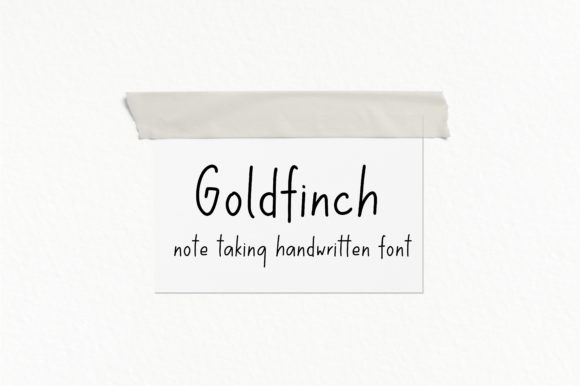
Goldfinch: A Handwritten Font for Authentic Branding
Imagine a typeface that doesn't just communicate words but conveys personality, warmth, and a human touch in every curve and stroke. That's the power of a well-crafted handwritten font, and Goldfinch is a sweet and friendly handwritten font that delivers exactly this. Its natural and unique style makes it incredibly fitting for a large pool of designs, offering a versatile solution for creators seeking authenticity.
The Role of Authentic Typography in Modern Design
In today's saturated digital landscape, standing out requires more than just a good product; it demands a compelling visual story. Typography is the voice of your design, and choosing the right font is a critical decision in graphic design and visual communication. A handwritten font like Goldfinch breaks the mold of sterile, corporate typefaces, injecting personality and approachability into a brand identity. It signals creativity, openness, and a human-centric approach, which can significantly improve user engagement and brand recall.
Practical Applications for Goldfinch
The versatility of a friendly handwritten script extends across numerous creative projects. Its organic feel makes it particularly effective where a personal connection is desired.
- Branding and Logo Design: Ideal for brands in lifestyle, wellness, food, or artisanal sectors. It creates a logo that feels personal and trustworthy.
- Marketing Materials: Use it for headlines in brochures, flyers, or email campaigns to draw attention and set a welcoming tone.
- Social Media Graphics: Perfect for Instagram stories, quote graphics, or promotional posts where a casual, relatable aesthetic is key.
- Website and UI Design: Effective for hero section headlines, call-to-action buttons, or decorative elements to soften a digital interface and guide user experience.
- Packaging Design: Adds a handcrafted, premium feel to product labels, especially for organic goods, cosmetics, or specialty foods.
- Editorial Layouts and Presentations: Brings warmth to magazine spreads, blog headers, or slide decks, making content more engaging and memorable.
Integrating a Handwritten Font into Your Design Workflow
While a font like Goldfinch offers tremendous creative freedom, thoughtful implementation is crucial for maintaining professionalism and readability. Here are key considerations:
- Pairing for Visual Hierarchy: Handwritten fonts excel as display type but can be challenging for body copy. Pair Goldfinch with a clean, neutral sans-serif or serif font for paragraphs. This creates a clear visual hierarchy, ensuring your message is both stylish and easy to read.
- Context and Audience: Evaluate if the font's personality aligns with your target audience and project goals. Its friendly nature suits casual, approachable brands but may not be ideal for formal financial or legal communications.
- Scalability and Readability: Test the font at various sizes. Ensure it remains legible on both large print materials and small mobile screens. Proper letter spacing (tracking) and line height (leading) are vital for readability.
- Consistency in Brand Systems: If used as part of a brand identity, document its specific use cases—such as for headlines only—to ensure consistency across all touchpoints, from web design to print design.
Ultimately, the strength of any creative asset lies in its strategic application. A typeface is a tool, and its impact is magnified when used with intention. By thoughtfully selecting typography that reflects your brand's core values and pairing it with complementary design elements like a coherent color palette and strong composition, you create a polished and professional result. Quality assets like Goldfinch empower you to enhance both the aesthetics and the emotional resonance of your visual design, turning ordinary projects into memorable experiences.