Paris 1920: A Vintage Font for Modern Design
Imagine instantly transporting your audience to the golden age of Parisian cafés and art deco elegance with a single design choice. This is the power of a well-crafted vintage font like Paris 1920, a handmade asset that brings timeless sophistication to contemporary projects. For graphic designers, marketers, and creators seeking to infuse their work with authentic character, understanding how to leverage such a resource is key to creating memorable visual communication.
Understanding the Paris 1920 Typeface
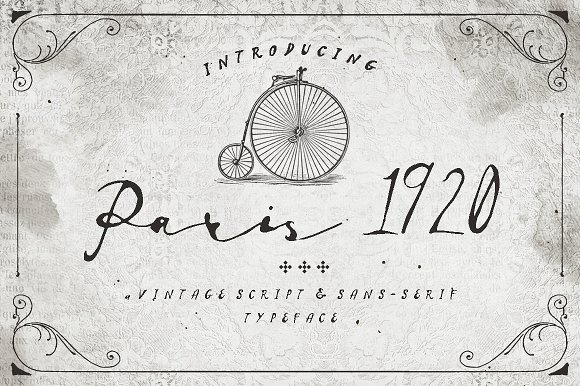
Paris 1920 is a meticulously designed vintage font created by Klapaucius Co., available in two distinct versions: a flowing Script and a clean Sans Serif. This combination provides exceptional versatility, allowing designers to pair the two for dynamic typographic hierarchies or use them independently. The classic handwriting style of the Script version delivers a personal, artisanal touch, while the Sans Serif offers a complementary, readable foundation. In the landscape of graphic design, where brand identity hinges on unique visual assets, a typeface like this can become a cornerstone of a design system.
Practical Applications Across Design Disciplines
The true value of a creative asset is measured by its real-world application. Paris 1920 excels in projects requiring a blend of nostalgia and professionalism.
- Branding and Logo Design: Establish a distinct brand identity for boutique businesses, luxury products, or artisanal services. The font’s handwritten charm conveys craftsmanship and attention to detail.
- Marketing and Social Media: Create engaging social media graphics, email headers, and digital advertising that stand out in crowded feeds. Its personality boosts user engagement and recall.
- Packaging and Print Design: Elevate packaging design for cosmetics, gourmet foods, or specialty goods. The font works beautifully on labels, tags, and editorial layouts, adding a tactile, premium feel.
- Web and UI Design: Use the Sans Serif version for clean UI elements or the Script for impactful hero sections and call-to-action buttons, ensuring a cohesive and inviting user experience.
Integrating Vintage Fonts into a Modern Aesthetic
Using a font like Paris 1920 effectively requires more than just swapping it into an existing template. It demands consideration of the broader design context. When building a brand identity, consistency is paramount. Choose a complementary color palette that enhances the font’s vintage qualities—think muted pastels, rich sepia tones, or classic black and white. Always test for readability and scalability, especially for web design and UI applications where clarity is crucial.
Consider the visual hierarchy in your layout. Let the Script version act as a headline or accent font to draw the eye, while the Sans Serif can handle longer body copy. This approach maintains a professional presentation without sacrificing the font’s distinctive character. Pairing it with high-quality imagery that reflects the same era or style will create a cohesive and powerful visual narrative.
Ultimately, thoughtful typography is a critical component of effective design workflow. Selecting quality creative assets like Paris 1920 allows you to streamline your process while ensuring a polished, high-impact result. It demonstrates an understanding of how subtle design elements contribute to overall communication goals, whether in digital marketing, editorial design, or merchandise creation. By aligning your typeface with your project’s core message, you transform simple text into a compelling visual story.