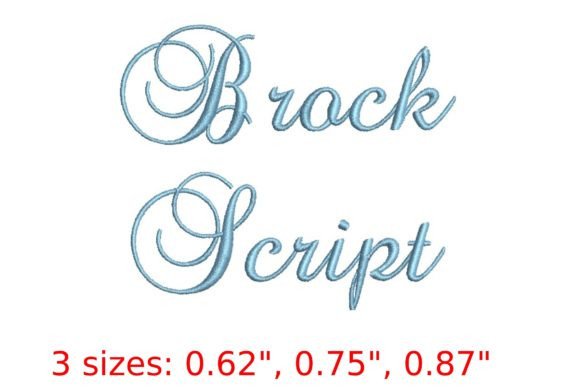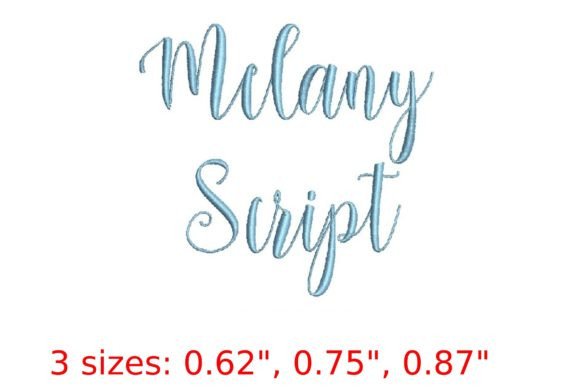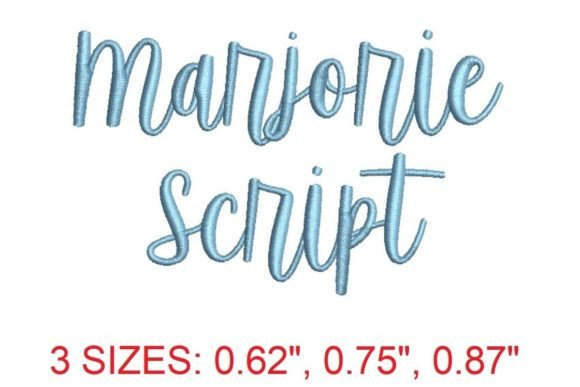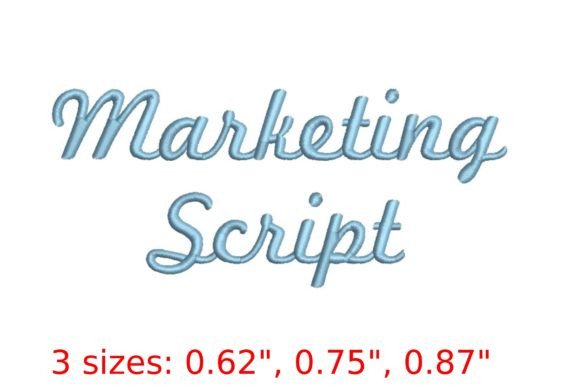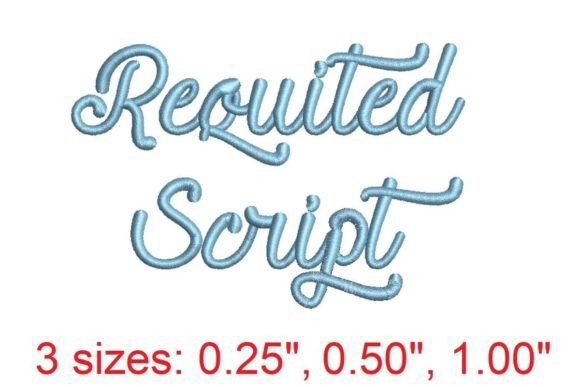
Requited Script Embroidery Font: Elevating Design with Elegant Typography
In the realm of visual design, the right typography can transform a simple project into a memorable brand statement, and the Requited Script Embroidery Font offers a unique, tactile elegance that digital fonts often cannot match. This resource provides a sophisticated script style, expertly crafted to infuse romance and refinement into physical and digital creations. For designers and creators, understanding how to leverage such a specialized asset is key to enhancing brand identity, improving user engagement, and producing high-quality creative projects that stand out in a crowded marketplace.
The Role of Specialized Typography in Modern Branding
Typography is a cornerstone of visual communication, directly influencing how an audience perceives a brand's personality and values. A font like Requited Script Embroidery Font moves beyond basic legibility to evoke specific emotions—timelessness, luxury, and artisanal care. This makes it an invaluable asset for projects where the goal is to create a deep, personal connection. In a design workflow focused on authenticity, using a script font with inherent texture and character can strengthen a brand's narrative, making it feel more human and less corporate.
For graphic designers and marketers, the practical value lies in its versatility across multiple mediums. Whether the project involves packaging design, print design, or social media graphics, this font's style contributes to a cohesive and professional presentation. Its application is particularly powerful in contexts that benefit from a handcrafted aesthetic, such as boutique branding, wedding stationery, or artisan product labels, where visual hierarchy and emotional impact are paramount.
Practical Applications for Creative Projects
The true strength of a design asset is measured by its utility. The Requited Script Embroidery Font is not limited to a single use case; it serves as a versatile tool across various creative domains. Its ability to impart a sense of timeless beauty makes it suitable for both commercial and personal endeavors.
- Brand Identity & Logo Design: Use the font to craft logos, monograms, or wordmarks for businesses in the fashion, beauty, or lifestyle sectors. Its elegant script style can immediately communicate a brand's premium or bespoke quality.
- Marketing & Advertising: In digital marketing campaigns, the font can be featured in hero images, email headers, or promotional graphics to capture attention and convey a message of sophistication.
- Product & Packaging Design: It is ideal for labeling artisan goods, cosmetics, or gourmet products, where the packaging design must reflect the quality and care of the contents.
- Editorial & Web Design: While primarily a display font, it can be used sparingly in editorial layouts or web design for pull quotes, section headers, or decorative accents to break the monotony of standard body text.
- Merchandise & Personalized Gifts: The font excels in creating custom merchandise like embroidered apparel, tote bags, or home décor items, allowing for the creation of unique, personalized gifts with a professional finish.
Integrating Specialized Fonts into Your Design Workflow
Successfully incorporating a specialized font requires more than just placing it on a canvas. It demands a thoughtful approach to visual design principles. When evaluating and using the Requited Script Embroidery Font, consider these factors to ensure it enhances rather than hinders your design goals:
- Readability and Context: Script fonts are best suited for headlines, logos, and short text blocks. Ensure the context supports the font's decorative nature. For body text or critical information, pair it with a clean, legible sans-serif or serif font to maintain a clear visual hierarchy.
- Consistency with Brand Systems: The font's romantic and elegant style should align with the broader brand identity. It works best for brands that aim to project a sense of classic beauty, luxury, or artisanal craftsmanship.
- Scalability and Technical Details: The provided file includes multiple formats, ensuring compatibility with various embroidery machines and software. Always review the technical specifications, such as stitch density and size options, to ensure the design translates well from screen to physical product.
- Color and Composition: The font's impact is influenced by its color palette and surrounding imagery. Use colors that complement its elegant strokes—think muted tones, metallics, or classic black and white. Good composition will ensure the typography is a focal point without overwhelming other design elements.
Ultimately, the decision to use a resource like the Requited Script Embroidery Font