Ruhia Arabic: Infusing Modern Design with Cultural Elegance
In a globalized design landscape, finding a typeface that bridges authentic cultural heritage with contemporary utility is a rare discovery. Ruhia Arabic emerges as a distinctive solution, offering the intricate beauty of Middle Eastern calligraphic influence within a modern display font framework. For graphic designers and brand strategists, it provides an immediate pathway to infuse projects with an exotic, sophisticated, and culturally resonant aesthetic without compromising on readability or technical performance.
Understanding the Visual Power of Ruhia Arabic
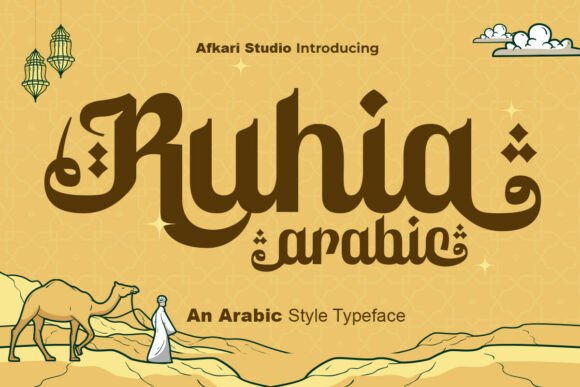
At its core, Ruhia Arabic is more than a set of letters; it is a visual narrative. Its letterforms are meticulously crafted, drawing direct inspiration from the flowing curves, sharp terminals, and rhythmic strokes of traditional Arabic script. This creates a strong, expressive personality that commands attention. Unlike generic decorative fonts, it is designed to remain highly legible in Latin-based layouts, making it a versatile tool for a wide range of creative projects. The font’s structure supports a natural visual hierarchy, guiding the viewer’s eye with its elegant weight and form.
Practical Applications Across Creative Fields
The true value of a premium typeface lies in its application. Ruhia Arabic excels in scenarios where visual impact and cultural connection are paramount. Its design is optimized for both print and digital environments, ensuring consistency across all touchpoints.
- Branding and Logo Design: Ideal for creating memorable brand identities for businesses in hospitality, luxury goods, cultural institutions, or international services. It instantly communicates a story of elegance and heritage.
- Marketing and Packaging: Elevates product packaging, posters, and restaurant menus, adding a layer of authenticity and premium appeal. For seasonal campaigns like Ramadan or Islamic events, it sets a perfect thematic tone.
- Digital Content and Social Media: Makes social media graphics, website headers, and digital advertisements stand out in crowded feeds. Its distinct character improves engagement and recall.
- Editorial and Web Design: Can be used strategically for headlines, pull quotes, or section titles in magazines, blogs, and UI elements to break visual monotony and introduce a refined aesthetic.
Ensuring Seamless Integration and Usability
When selecting any creative asset, compatibility and ease of use are critical. Ruhia Arabic addresses these practical concerns directly. It is delivered in versatile formats (OTF, TTF, WOFF2) and is fully accessible across major platforms like Adobe Creative Suite and Microsoft Word. Its PUA encoding means every alternate character and special glyph is readily available without requiring specialized design software, streamlining the design workflow. Furthermore, its multilingual support ensures it can be used for projects targeting diverse audiences, accommodating characters like ä, ö, ü, ß, ¿, and ¡.
Integrating Cultural Typography Thoughtfully
Using a culturally inspired typeface like Ruhia Arabic requires a thoughtful approach to design principles. It should be paired with complementary color palettes and imagery that reinforce the intended message without overwhelming it. For instance, a clean, minimal background can allow the font’s details to shine, while rich jewel tones can enhance its luxurious feel. Always consider the audience’s expectations and the project’s core goals—whether it’s to evoke tradition, modernity, or a fusion of both. Scalability is key; test the font at various sizes to ensure its details remain crisp and legible from a large-format poster to a small mobile screen.
In the pursuit of compelling visual communication, the tools a designer chooses define the outcome. Thoughtful typography is a cornerstone of professional presentation, directly influencing brand perception and user experience. By integrating a resource like Ruhia Arabic, designers gain more than a font; they gain a versatile creative asset that enriches the visual narrative, strengthens brand identity, and brings a touch of authentic, timeless artistry to the modern design canvas.