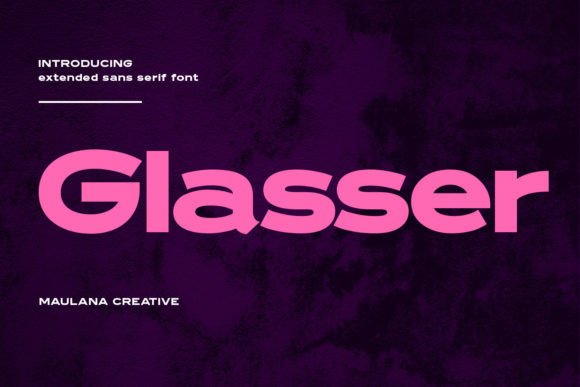
Glasser: The Modern Wide Sans for Bold Visual Impact
The right typeface doesn't just display words; it sets a tone, captures an era, and commands attention. In the crowded landscape of digital and print media, a font like Glasser stands out as a powerful tool for designers seeking a blend of contemporary style and versatile functionality. This modern wide sans display font, characterized by its bold strokes and distinctive character, offers more than just legibility—it injects personality and energy into any creative project.
Understanding Glasser's Design DNA
Glasser is engineered for impact. Its wide letterforms create a strong horizontal presence, making it exceptionally readable at larger sizes. The bold weight ensures it holds its own against busy backgrounds or complex imagery. What truly defines its character, however, are the subtle ligatures and alternates. These typographic features allow for unique letter combinations and stylistic variations, enabling designers to craft custom looks that feel bespoke and intentional rather than generic. This combination of structural strength and playful detail makes it a standout choice in modern graphic design.
Practical Applications Across Creative Disciplines
Its versatility is one of Glasser's greatest assets. It transitions seamlessly from one context to another, providing a consistent yet dynamic voice. Consider its effectiveness in these key areas:
- Branding and Logo Design: A logo is the cornerstone of brand identity. Glasser's confident, friendly demeanor makes it ideal for creating memorable logos for startups, lifestyle brands, tech companies, and creative agencies. It communicates approachability and modernity simultaneously.
- Marketing and Social Media Graphics: In the fast-scrolling environment of social media, first impressions are made in milliseconds. Glasser's bold, clear strokes ensure your key messages—whether for Instagram stories, Facebook ads, or Pinterest pins—are instantly readable and visually engaging, improving click-through rates and engagement.
- Editorial and Web Design: For magazine headlines, book titles, or website hero sections, Glasser establishes a strong visual hierarchy. It pairs beautifully with more neutral sans-serifs for body text or with elegant serifs for a sophisticated contrast, guiding the reader's eye through the layout.
- Packaging and Advertising: On a crowded shelf or in a digital banner ad, clarity and appeal are paramount. Glasser's wide stance and bold presence help products stand out. Its fun character can also be leveraged through alternates to align with a brand's specific personality, whether it's playful, energetic, or sleek.
Integrating Glasser into Your Design Workflow
Implementing a new font effectively requires more than just selection; it demands strategic integration. To maximize Glasser's potential:
- Prioritize Readability and Scale: Always test the font at the intended size and in the intended medium. Its wide nature works best for headlines, subheadings, and call-to-action text. For long-form body copy, it's best used as a secondary accent font.
- Explore OpenType Features: Delve into the font's alternate characters and ligatures. Using these features in a logo or a key headline can add a layer of custom design that elevates the entire project.
- Build a Cohesive System: Consider how Glasser interacts with your chosen color palette, imagery, and other typographic elements. A successful visual design relies on harmony. Pair it with a simple, readable sans-serif for body text to maintain balance.
- Align with Audience and Goals: Does the font's personality match your brand's voice and your audience's expectations? Its modern, friendly aesthetic suits a wide range of industries but is particularly effective for brands targeting a contemporary, design-savvy demographic.
Ultimately, thoughtful typography is a cornerstone of effective visual communication. It shapes perception, enhances user experience, and reinforces brand identity. Investing in quality creative assets like the Glasser font is an investment in the clarity and impact of your message. By understanding its strengths and applying it with intention, designers and creators can produce work that is not only beautiful but also strategically sound, ensuring every visual touchpoint resonates with its intended audience.